
_RICHARD CAIRNCROSS
Cairncross is a professor of chemical and biological engineering in the College of Engineering.
As rare solar eclipses swept across North America in 2023 and 2024, Drexel students joined the NASA- and NSF-funded Nationwide Eclipse Ballooning Project to study Earth’s protective atmosphere — and rose to the challenge in more ways than one.
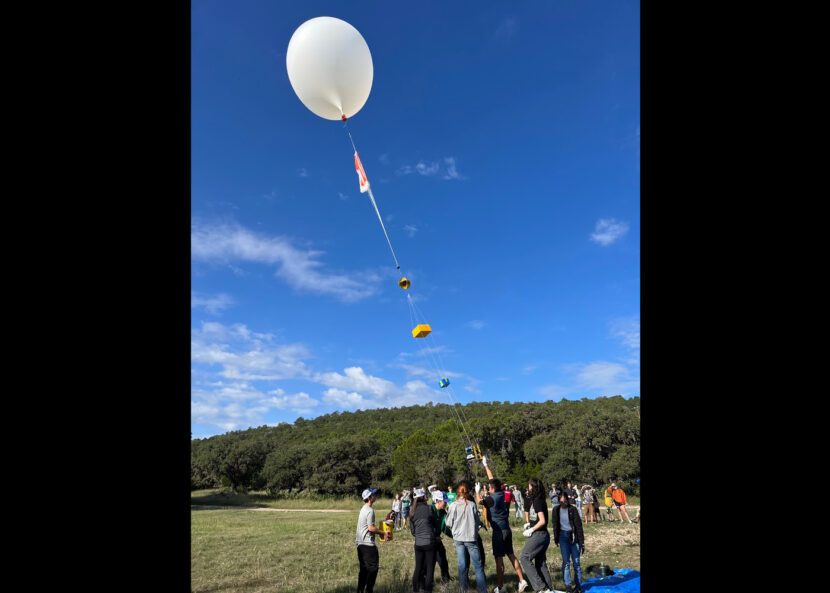
Among the students in Drexel’s undergraduate research scholar program who were sponsored by Drexel to participate were Kiana Ahmari and Nursultan “Nurs” Zhanabay. They travelled to Rocksprings, Texas, for the October 2023 annular eclipse. Their mission: launch a high-altitude balloon equipped with sensors to study how the sudden loss of sunlight affects stratospheric ozone.
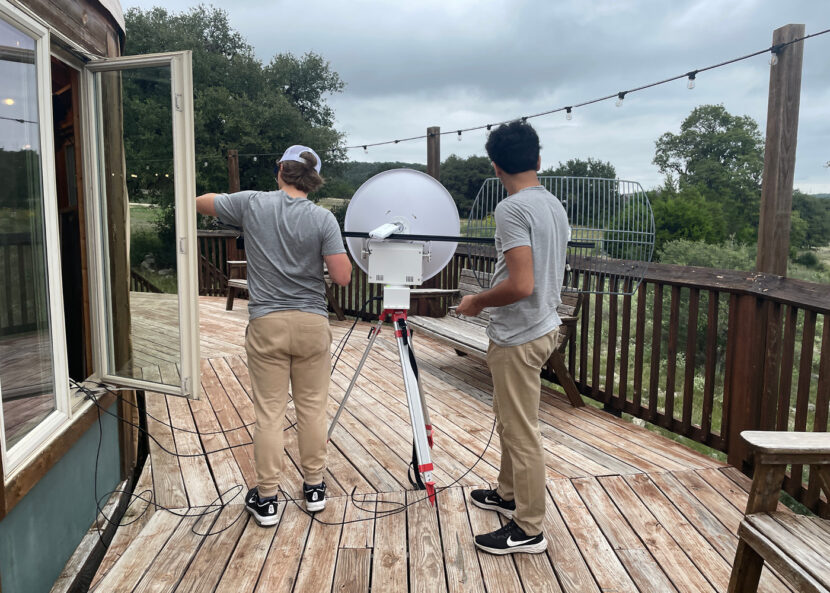
With the guidance of Professor of Chemical and Biological Engineering Richard Cairncross, the students spent months preparing, developing flight predictions and refining their equipment.
“Their mission: launch a high-altitude balloon equipped with sensors to study how the sudden loss of sunlight affects stratospheric ozone.”
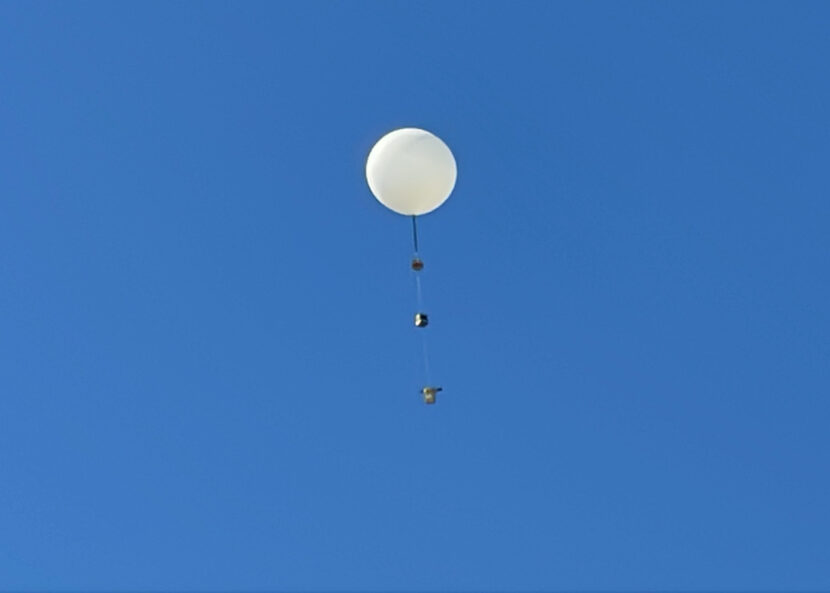
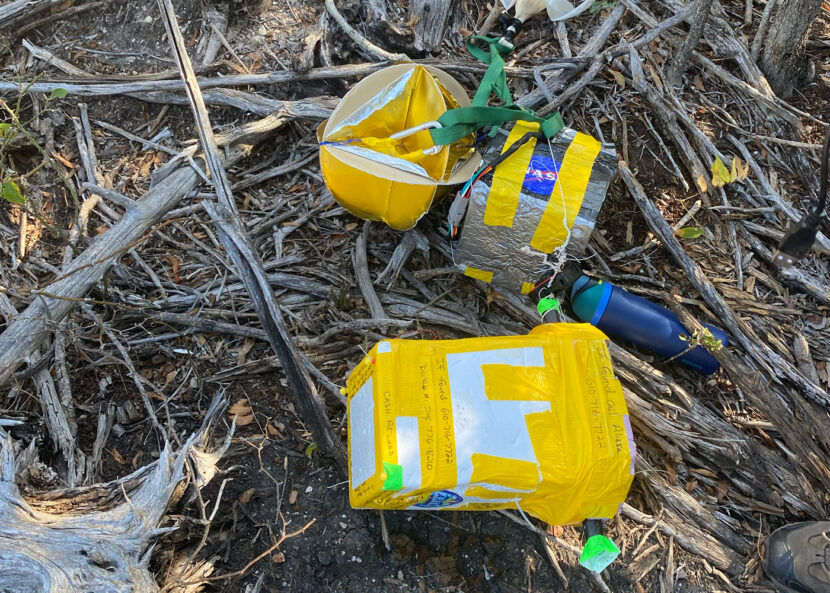
But on launch day, their first balloon slipped free without its payload. With little time, they recalibrated, reloaded and launched again. This time, the balloon reached 30,000 meters, collecting data as it drifted nearly 100 miles away. Tracking its GPS signal led them to a backyard in Fredericksburg, Texas — during hunting season. Ahmari used detective work to identify the homeowner through an Airbnb listing and ensure a successful recovery.
For the total solar eclipse in April 2024, Ahmari returned for another launch in Old Forge, New York — this time as part of a new student team.
Faced with strong winds and the risk of missing totality, the group debated three solutions: launch as planned and miss totality, relocate out of range of their ground station, or an untried approach: overfill the balloon to climb faster and vent earlier, while still reaching “neutral buoyancy” — a core Ballooning Project goal.
 _PHOTO_GALLERY ENLARGE
_Setbacks, Success in the sky
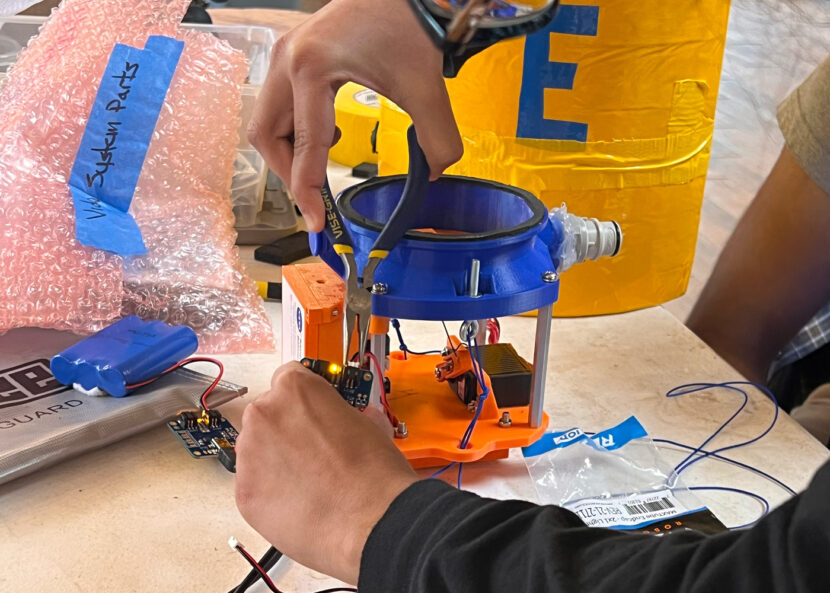
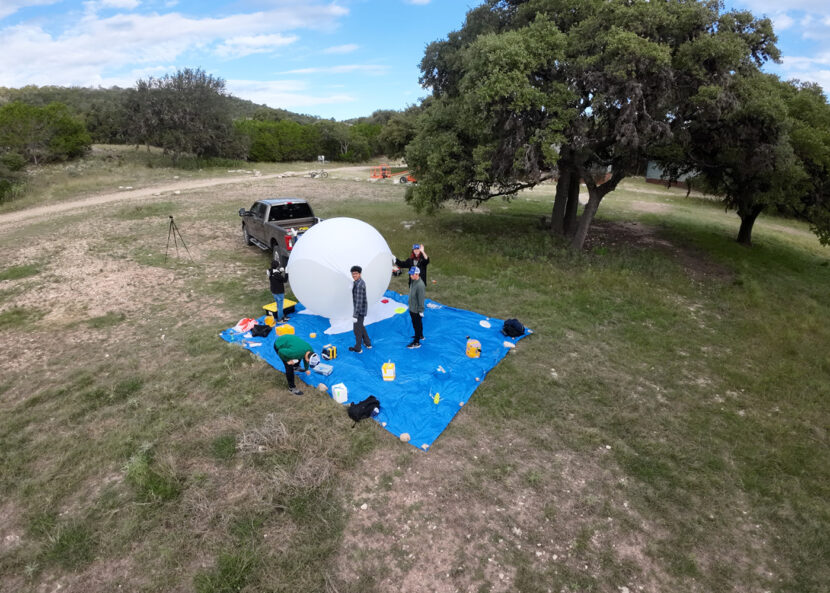
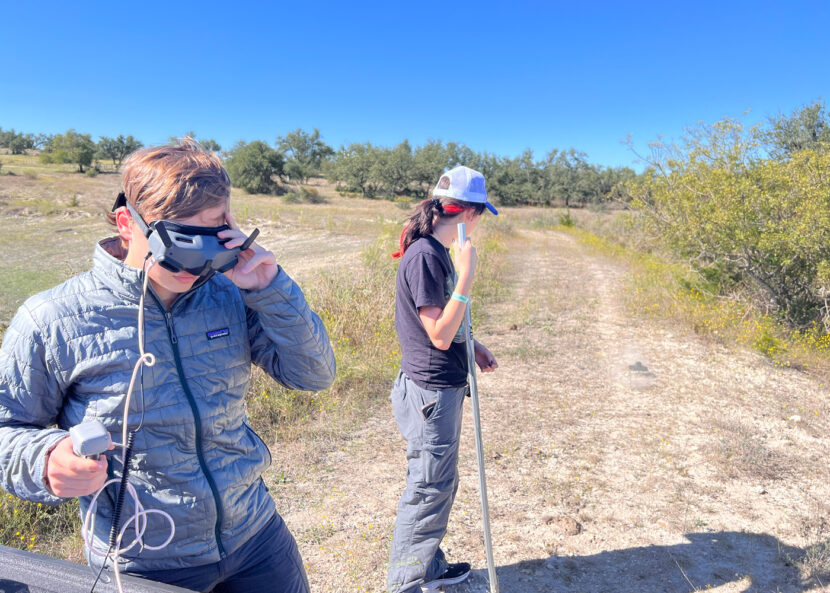
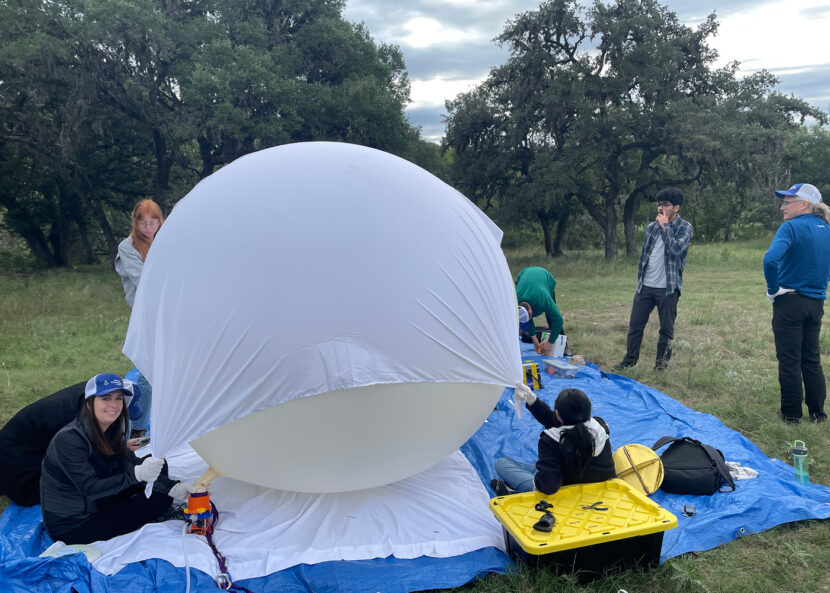
Drexel students tackled real-time challenges in the field during the Nationwide Eclipse Ballooning Project, launching high-altitude balloons to collect atmospheric data during the 2023 and 2024 solar eclipses. The NASA- and NSF-funded challenge, designed to mirror real NASA missions, brought together more than 50 teams from across the country for hands-on, high-pressure research experience. Despite setbacks — a payload string snapped, and a balloon landed off course — the Drexel team met their mission goal.
With their mission in mind, they chose the latter. Under intense pressure, Ahmari and three teammates executed six precise venting cycles mid-flight, achieving stable altitude just at the edge of the eclipse’s path. The feat required rapid analysis, calm communication and a clear chain of command.
Ahmari and Zhanabay are veterans of the College of Engineering’s Vertically Integrated Projects and the Pennoni Honors College’s Students Tackling Advanced Research (STAR) Scholars program, which give undergraduates early access to meaningful research — in the field or in the air.
See a slideshow of the Drexel team tackling the Nationwide Eclipse Ballooning Project.