
_Felice Elefant
Elefant is a professor in the Department of Biology in the College of Arts and Sciences.

_AKANKSHA BHATNAGAR
Bhatnagar is a post-doctoral fellow at the University of Pennsylvania.
Our brains are constantly adapting to experiences, recording memories and fine-tuning vast neural connections. To do it, brain cells rely on a sophisticated mechanism called alternative RNA splicing, which ensures the right proteins are made at the right time. Research published in the Journal of Neuroscience indicates that when this process goes awry, it may set the stage for Alzheimer’s disease.
A team led by doctoral graduate Akanksha Bhatnagar ’23 and Felice Elefant, a professor in the Department of Biology in the College of Arts and Sciences, is the first to discover a key regulator of this process — an enzyme called Tip60, which binds to certain types of RNA to control how they are spliced. This function is important, the researchers suggest, because RNA splicing ultimately generates the proteins necessary for learning and memory.
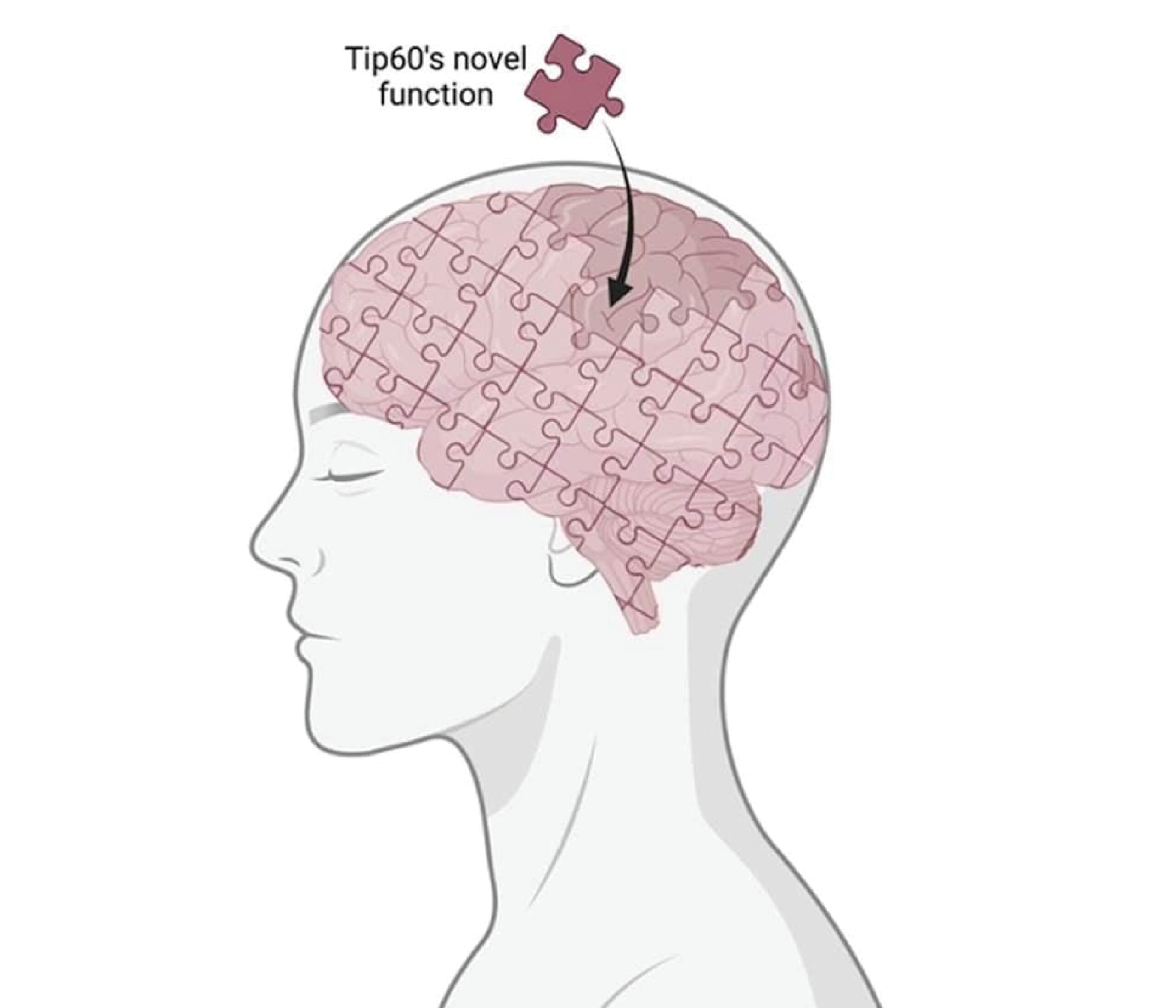
In Alzheimer’s-affected brains, the RNA sequences Tip60 binds to are among those most affected by the disease, suggesting disruptions to this mechanism could be an early contributor to Alzheimer’s.
Moreover, a 2018 study from Elefant’s lab found that restoring balance to Tip60 enzyme levels in the brain reversed symptoms in an Alzheimer’s model. Combined, the two studies show that Tip60 doesn’t just regulate gene activation to make RNA, it also regulates appropriate RNA splicing.
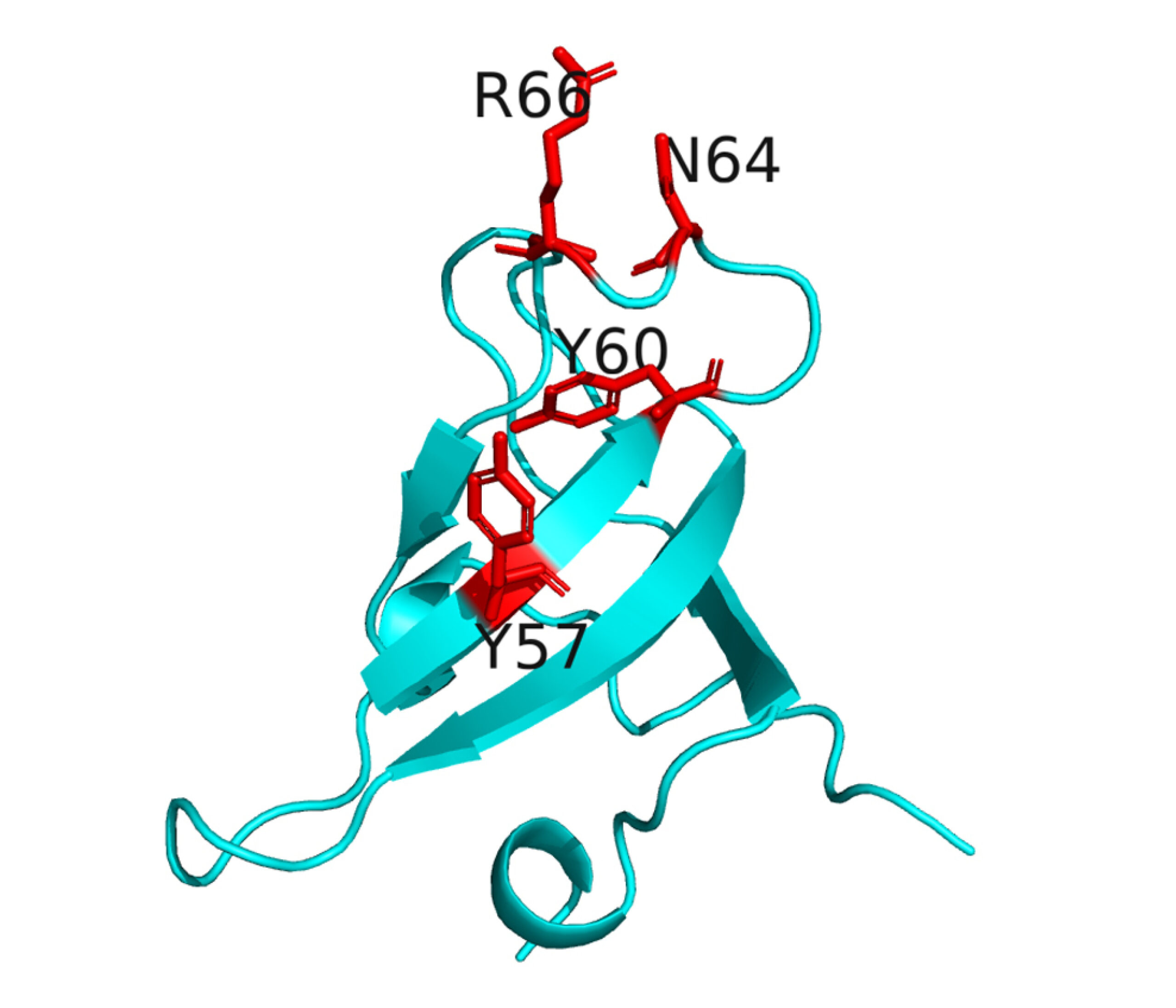
The researchers believe that restoring balance to Tip60 enzyme levels in the brain could protect against two different processes that go awry in Alzheimer’s, showing a path to drug design and treatment of Alzheimer’s.
“RNA is essential in coding, decoding, regulation and the expression of genes,” explains Bhatnagar. “In the Alzheimer’s brain, not only is production of RNA being turned off, but also the way the RNA is being assembled to generate proteins is not correct. This is a critical piece in the Alzheimer’s disease puzzle that has opened new doors for understanding disease causes.”