
_Lindsay Shea
Shea is an associate professor and the director of the Policy and Analytics Center in the A.J. Drexel Autism Institute.
Youth who spend time in the foster care system face increased risks for mental health challenges, trauma and poorer outcomes in adulthood than their peers. For those with disabilities — including autism spectrum disorder (ASD) and intellectual disability (ID) — the situation is even more critical. Yet little is known about how these young people access and use essential services that can improve their lives.
Understanding access and service use matters because the number of foster youth with intellectual and developmental disabilities (I/DD) has grown significantly in recent years. Overall, children in foster care are two to five times more likely to have ASD or ID than other children nationwide.
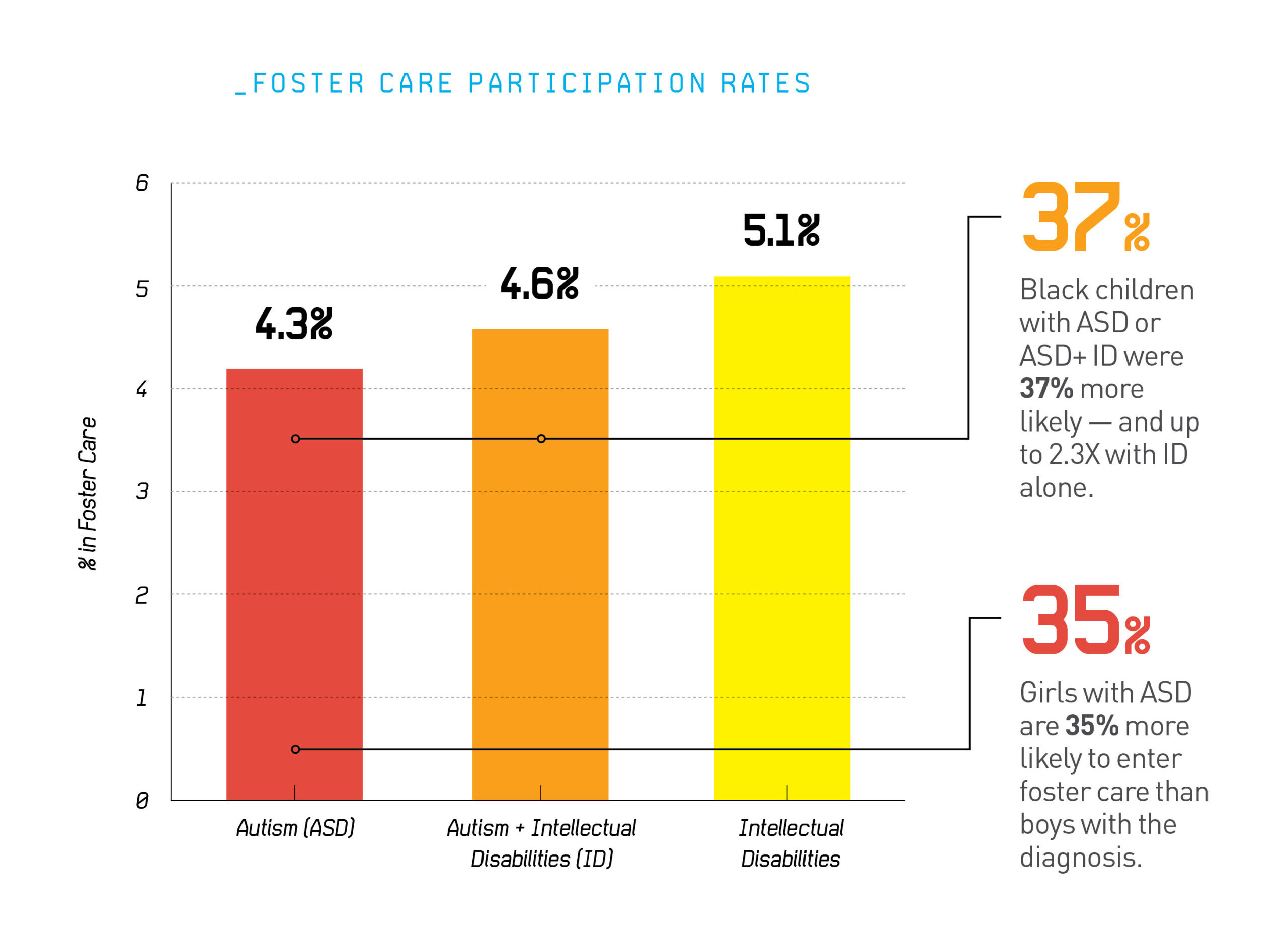
To assess the situation, researchers at Drexel’s A.J. Drexel Autism Institute, along with colleagues from George Mason University and the University of North Carolina at Chapel Hill, analyzed 2016 national Medicaid claims data.
Because Medicaid is the largest insurer for both youth with I/DD and those in foster care, it plays a critical role in connecting them to needed services, though differences between local and federal governments may interfere with these systems working together effectively.
2x+
Teenagers are more than twice as likely to be in foster care compared to children under age 5.
Their study, published in the Journal of the American Medical Association (JAMA) Pediatrics, offers a first-of-its-kind, intersectional analysis of how foster care involvement has evolved for youth with I/DD.
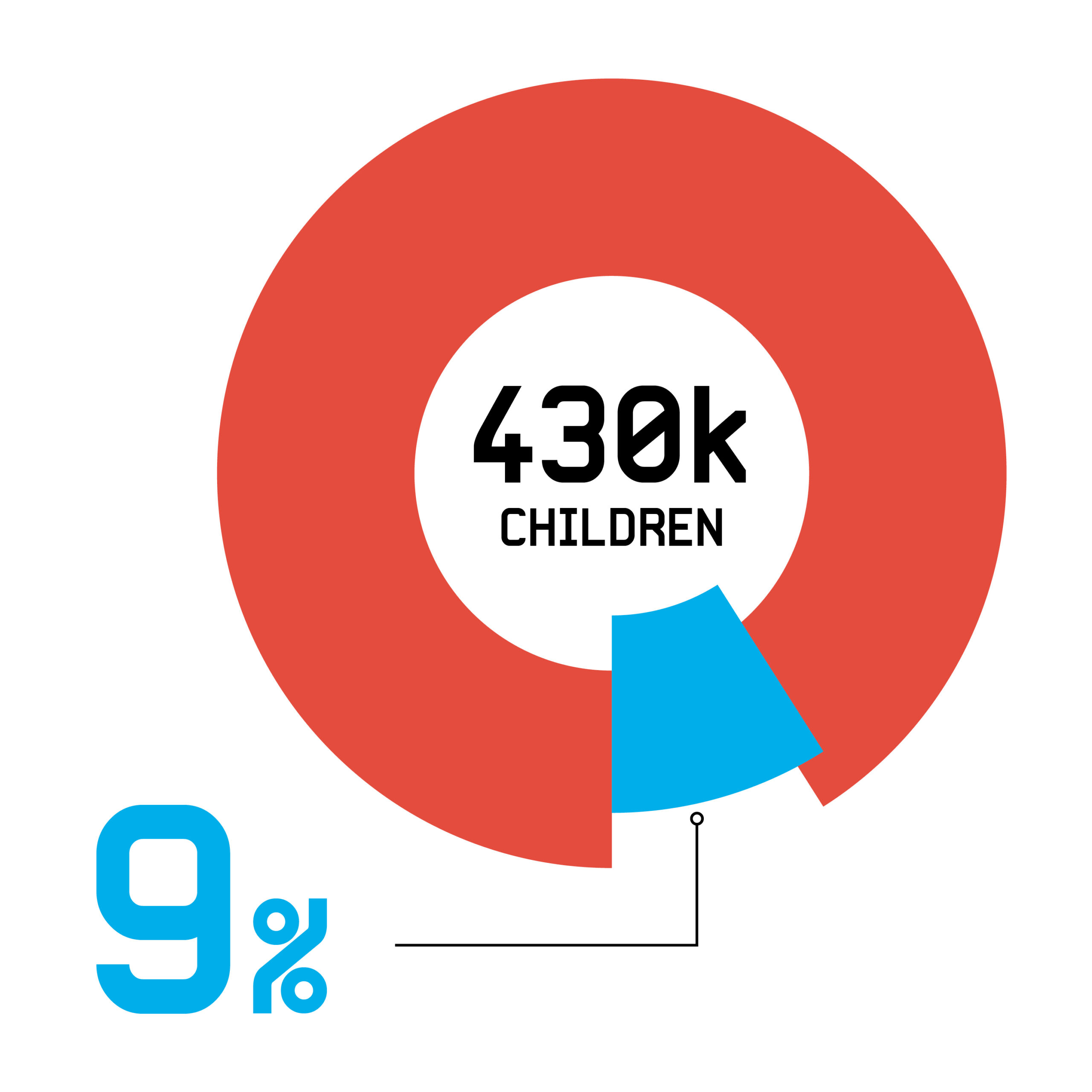
More than 9% of the 430,000 children in the U.S. foster care system had intellectual developmental disabilities, according to 2016 data.
“Understanding the involvement of youth with intellectual and developmental disabilities in the foster care system is an important first step in identifying priorities for needed policy and program change,” says Lindsay Shea, associate professor and director of the Policy and Analytics Center at the Autism Institute, and lead author on this study.
Autism research has not kept pace with the need for including varied experiences, showcasing a true picture of the lives and needs of autistic people and those who care for them. However, using secondary data sources like Medicaid claims offers a powerful way to observe experiences and stories that have not been told before. The findings highlight opportunities to strengthen supports for youth with I/DD in foster care — helping to close gaps and improve outcomes for this population.