
_BARRY FURROW
Furrow is a professor of law and director of the Health Law Pro- gram in the Thomas R. Kline School of Law.
The country is in the throes of a mental health crisis. More than one-third of adults report struggling with mental health or substance abuse, yet fewer than half receive treatment. The reasons are depressingly familiar: too few mental health professionals, high costs and limited insurance coverage.
In recent years two forces — private equity investment and telehealth — have made waves as potential solutions. Virtual care promises to reduce barriers for those in underserved or remote areas, offering a way to connect patients with care without the need for travel or extended wait times. The potential is vast: lower costs, higher volumes and increased convenience for patients who might otherwise forego treatment.
But can the private-equity model, which historically has aimed for quick profits and high returns, balance financial incentives with quality care?
Barry Furrow, professor of law and director of the Health Law Program in Drexel’s Thomas R. Kline School of Law, dove into the question in a study in the American Journal of Law & Medicine. His findings suggest that while both private equity and telehealth could expand access to care, their unchecked growth may come with unintended consequences for patients and the quality of care they receive.
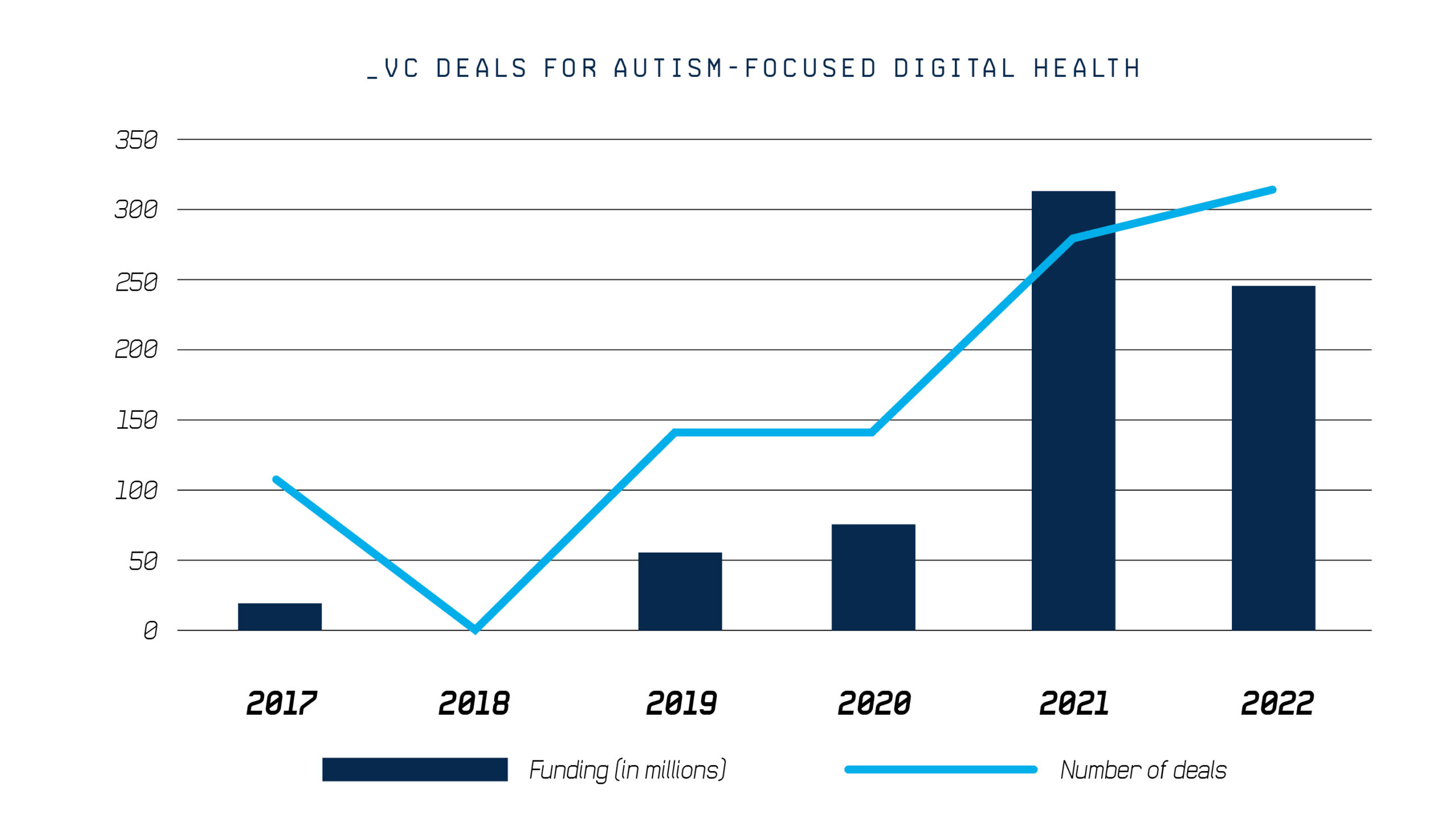
One insight from Furrow’s analysis is that private equity sees telehealth not just as a way to expand access, but as a cost-cutting strategy. Virtual therapy platforms require fewer licensed professionals, and some investors are betting that artificial intelligence-powered chatbots could eventually replace human therapists altogether. While this might lower costs, it also raises thorny questions about the quality of care — and whether it’s ethical to rely on algorithms for something as deeply personal as mental health treatment.
While both private equity and telehealth could play a role in solving the mental health crisis, Furrow advocates for stronger oversight and regulation.
He proposes measures like mandatory accreditation for behavioral health facilities, rigorous testing for digital health tools, and closer scrutiny of private equity acquisitions in the sector. Without these safeguards, he warns, vulnerable patients could become casualties of an unchecked race for profits.